Possession by A.S. Byatt – Writing Gods and Reading Angels

The job of a reader in the early days of literature was to admire, study, and learn. The only book on the shelf was the Bible, with an additional offering, after a while, of the rediscovered works of apparently superhuman Greek writers. The idea of having a go yourself was almost unthinkable. It was against the natural order of things. Echoes of this outlook remain in the academic world of modern times. A.S. Byatt was a prominent academic, before she became a writer. In her 1990 novel Possession we meet academics living in the shadow of the writers they study, in this case a pair of fictional Victorian poets, Randolph Henry Ash and Christabel LaMotte. But as we get to know these writers through their poems and letters, we see that they are no different to the people who study them. Ash and LaMotte read each other’s work which feeds into their own. Writers and readers are not different species, with the blessed former up there, and the many latter down here. It’s a two way street. People seemingly hanging onto the coattails of others are actually helping to fashion their fancy coat, as something they can both wear.

Possession is very enjoyable, full of excellent fake Victorian poetry by fictional poets, and interesting ideas alongside down to earth romance tropes – such as two young people getting thrown together by a snow storm. The book is extremely sophisticated, but also enough of a romance novel with obvious scenarios and highly unlikely plot twists, to exist as a book with a human voice, serving to remind us that people rather than literary gods write and read.
The Seventh Son by Sebastian Faulks – A Wild Cat Hides In Your Pet

The Seventh Son is a 2023 novel by Sebastian Faulks, a sci-fi story set in the near future, about a human genetic experiment and its aftermath.

As an aspiring writer I often look at the websites of literary agents. A lot of them will say they are interested in promoting under-represented or diverse voices. Reading The Seventh Son I thought those agents might be interested in signing Seth, the book’s central character, who is unique in having some of humanity’s distant past implanted in his DNA. Ironically, however, Seth looks like someone the agenting world would presumably feel is over-represented – male, white, middle class, Oxbridge educated. Seth even takes the name Ken as an alias. I saw the Barbie movie recently. There are lots of different incarnations of Ken but they are all Ken. This book, supposedly about a unique individual, is actually more about how much people share.

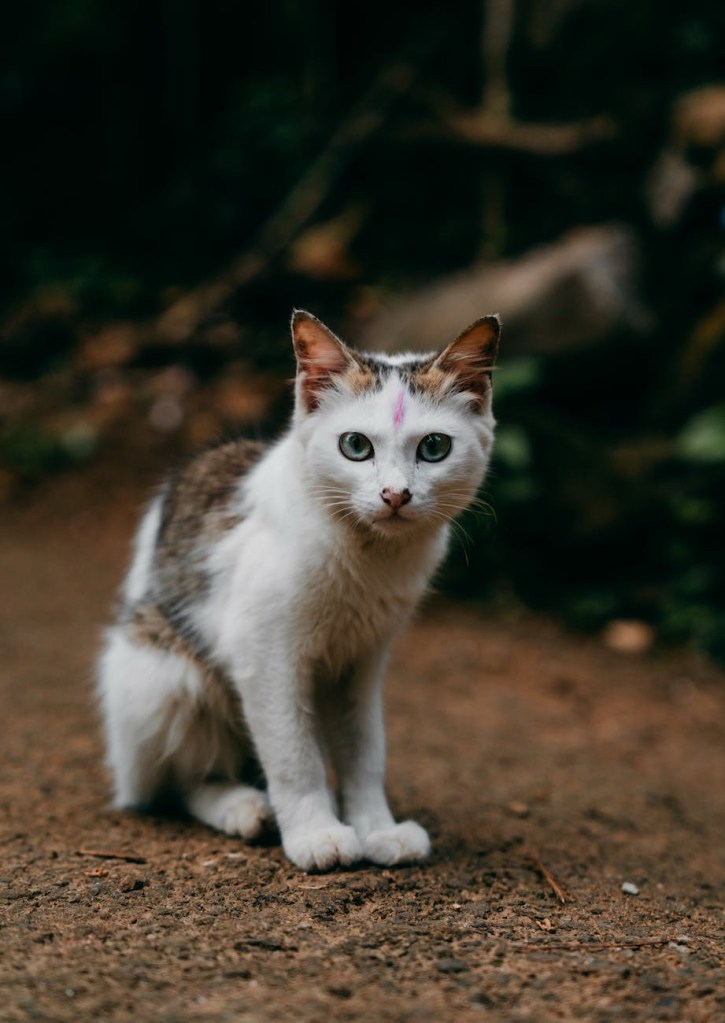
I once visited the British Wildlife Centre in Kent. One of its jungly enclosures housed a wildcat. An information board described the wild cat as endangered, before qualifying this with the admission that wild cats are so genetically similar to domestic cats, that it’s hard to say if wild cats are endangered or doing very well in a slightly different guise. Seth, the central character of The Seventh Son reminded me of that wild cat, a lonely individual, maybe one of the last of his kind, who nevertheless is hard to tell apart from millions of other individuals who are doing very nicely, thank you.

As for the science in the book, some of it is made up. However, I did do a bit of reading and found the book might reflect a reasonable scientific position in a general way. Chris Stringer, a leading authority on ancient humanity suggests that former human species might have been absorbed into present Homo sapiens.

“If you add up all the Neanderthal DNA in the world today in everyone you could probably reconstruct 40% of the Neanderthal genome….” (Quoted in IFL Science, Why Are We The Only Surviving Human Species? 31 Dec 2024.)

So even if some of the science is fictional, my feeling is that there is a reasonable basis for Seth, who is unique in his recreated DNA and yet can easily pass as a normal person rather than being some kind of Frankenstein’s monster. A lost wild cat can be there in today’s domestic pet.

The Seventh Son is an interesting book, relevant to our times when the book industry, along with culture in general, is fragmenting into different enclosures. Rather than a book for everyone, there is more of a feeling that everyone must have their own book. The Seventh Son is a bit of a corrective to that, using human difference as a way to show what humanity shares. It reads like a thriller, carrying a reader along. And that reader could be a generic, white middle class man with a university education, or some other one-of-a-kind individual. There is much more of an overlap between those two people than we usually allow.

The Barbie Movie – Ken Making Friends With Ken, and Barbie

I have just caught up with 2023’s Barbie, a film where there are lots of different Barbies, all called Barbie, and lots of different Kens, all called Ken.

After having a bit of an existential crisis during a dance routine, Stereotypical Barbie leaves Barbieland with Beach Ken, who jumps uninvited into the back of her pink convertible. They head to real Los Angeles, where Ken discovers the patriarchy. He takes this back to Barbieland, where he sets up his own version, important elements of which are riding horses and dressing up like a rock star. The Barbies respond by turning the Kens against each other. They do this by offending the Kens’ egos during their beach serenading of the Barbies with Matchbox Twenty’s song, Push. Barbies listen for a while before moving to another Ken, causing devastating jealousy.

Following this debacle, there is a touching scene as Beach Ken and Stereotypical Barbie talk, Barbie telling Ken that he needs to find his own identity, beyond that of her boyfriend, or some kind of ridiculous bro. And that’s the thing – the unexpected philosophical twist of this charming film. Ken, in all of his incarnations, is Ken. After the beach serenading scene, when the Kens decide to fight each other, they have to decide which Kens are the enemy, and which are allies, a tricky task when they are all Kens. So maybe Ken would learn something by accepting that there is sameness in his variety. Ken’s jealousy is like one branch of a tree having a problem with another branch. Note the wall being built in the desert between Barbieland and the real world. What does that make you think of in the early 2020s? What does that suggest about creating division between people where none need exist?

So Barbie is about both finding identity and overcoming identity’s false limitations. Barbie can be President Barbie or housewife Barbie, black or white, different shapes and sizes Barbie, but she shares in the essential Barbieness. And Ken can be all sorts of Ken, but he can share in the essential Kenness. In the end Ken and Barbie can be themselves, but be with each other.